Protecting your property from theft, vandalism, severe weather, and accidental damage is about more than peace of mind. It can also influence how insurers view your property’s risk. Security shutters provide a strong physical barrier over vulnerable openings, helping reduce exposure to certain losses. While they don’t automatically guarantee lower insurance premiums, they can be a valuable part of a broader risk mitigation strategy for homeowners and businesses.
How Security Shutters Can Affect Your Insurance
Insurance companies assess risk when determining coverage, premiums, and policy conditions. Factors such as the property’s location, construction, claims history, occupancy, and existing security measures can all play a role in that assessment.
Installing security shutters can demonstrate that you have taken proactive steps to improve your property’s physical security. Unlike an alarm that alerts you after an intrusion begins, a shutter provides a physical barrier between an intruder and the protected opening.
This distinction matters because insurers are ultimately concerned with potential losses. If a property is better protected against certain risks, its overall risk profile may be viewed differently. However, every insurer has its own underwriting guidelines, so installing shutters should not be treated as an automatic way to change a policy or reduce its cost.
Can Security Shutters Lower Insurance Premiums?
One of the most common questions property owners ask is whether security shutters can lead to lower insurance premiums. The honest answer is: potentially, but it depends.
Some insurance companies may recognize approved security improvements when assessing a property. In certain circumstances, enhanced security can contribute to eligibility for insurance discounts or other policy benefits. However, the availability and amount of any discount depend on factors such as the insurer, property type, location, existing protection, claims history, and the specific shutter system installed.
For this reason, it is worth contacting your insurer or insurance broker before purchasing security shutters if insurance savings are one of your goals. Ask whether the installation qualifies as an approved security measure and whether the insurer requires specific product specifications, installation methods, or documentation.
Even when a premium reduction isn’t available, the value of security shutters extends well beyond insurance costs. Preventing or limiting a loss can protect your property, business assets, inventory, and the time and disruption associated with recovering from an incident.
Supporting Insurance Coverage Through Better Property Protection
Insurance is there to provide financial protection when covered losses occur, but prevention remains important. Stronger property protection can help reduce the likelihood or severity of some incidents in the first place.
Security shutters can protect vulnerable areas such as windows and doors, storefronts, and other accessible openings. When closed, they create an additional physical layer between the outside environment and the interior of the property.
For a business, this can be particularly useful after hours when employees are no longer present. A storefront with exposed glass, for example, may be vulnerable to attempted entry or vandalism when the premises are closed. A properly selected shutter can provide an additional barrier during these periods.
It’s important to understand that security shutters don’t replace insurance coverage. They are a preventative security feature that can complement a suitable insurance policy. The exact protection provided by an insurance policy always depends on its terms, exclusions, limits, and conditions.
Security Shutters and Protection Against Break-Ins
Burglary is a significant concern for both residential and commercial property owners. An intruder may target windows, doors, storefronts, or other accessible openings to gain entry.
Security shutters can contribute to burglary protection by making those access points more difficult to reach and penetrate. Their presence can also act as a visible deterrent. An intruder looking for an easy target may be less inclined to attempt entry when a property has an obvious physical security barrier.
Another consideration is forced entry. While no security product can promise to make a property completely impenetrable, a robust shutter system can add resistance to unauthorized access. This extra layer of protection can potentially help limit the opportunity for an intruder to enter the building.
For businesses, protecting the perimeter is especially important because a break-in can involve much more than stolen goods. Damaged doors, broken glass, damaged fixtures, lost inventory, and operational interruptions can all add to the overall cost of an incident.
Reducing the Risk of Vandalism and Property Damage
Not every security incident involves theft. Vandalism can result in expensive repairs even when nothing is stolen.
Windows and storefronts are often exposed to accidental or deliberate damage. Security shutters can cover these vulnerable areas when the property is unoccupied, creating a physical layer that helps shield the underlying surface.
This can support a broader loss prevention strategy. Instead of relying on a single security system, property owners can combine physical barriers with alarms, cameras, lighting, access control, and other security features.
Reducing the likelihood of damage can have practical benefits regardless of whether an insurer offers a discount. A business that avoids a broken storefront or damaged entrance can potentially get back to normal operations faster and avoid the inconvenience associated with repairs and claims.
Security Shutters Can Provide More Than Burglary Protection
The insurance conversation shouldn’t stop at theft. Depending on the product and application, security shutters can also contribute to protection from environmental hazards.
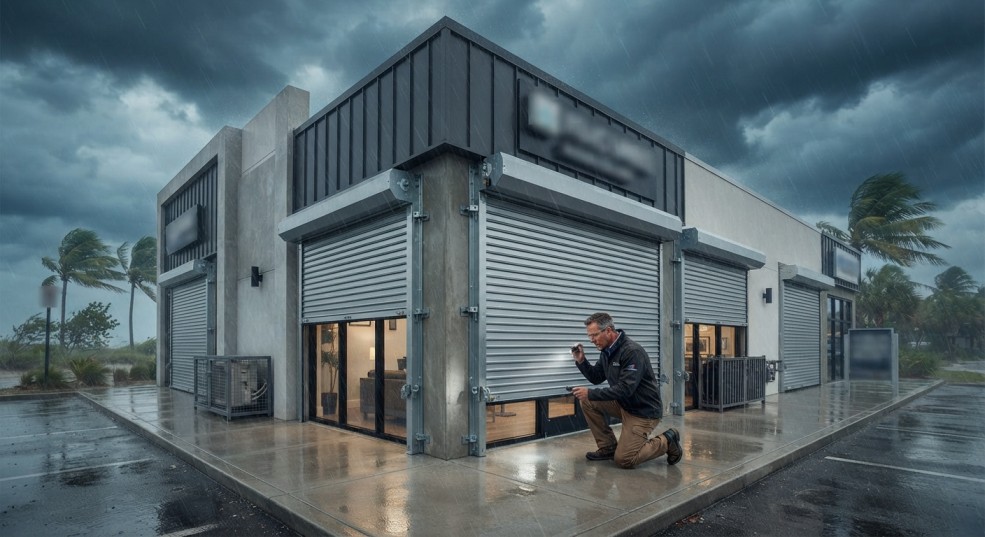
Certain systems can provide storm protection by adding a protective barrier over windows and other openings. During severe weather, flying debris and high winds can expose vulnerable parts of a building to damage.
Some security shutters are also designed with specific levels of impact resistance. The performance of any particular product depends on its construction, configuration, installation, and intended application, so property owners should review the manufacturer’s specifications rather than assuming every shutter provides the same level of protection.
For properties located in areas exposed to severe weather, this additional function can make shutters a practical investment beyond everyday security.
Commercial Property Insurance and Security Shutters
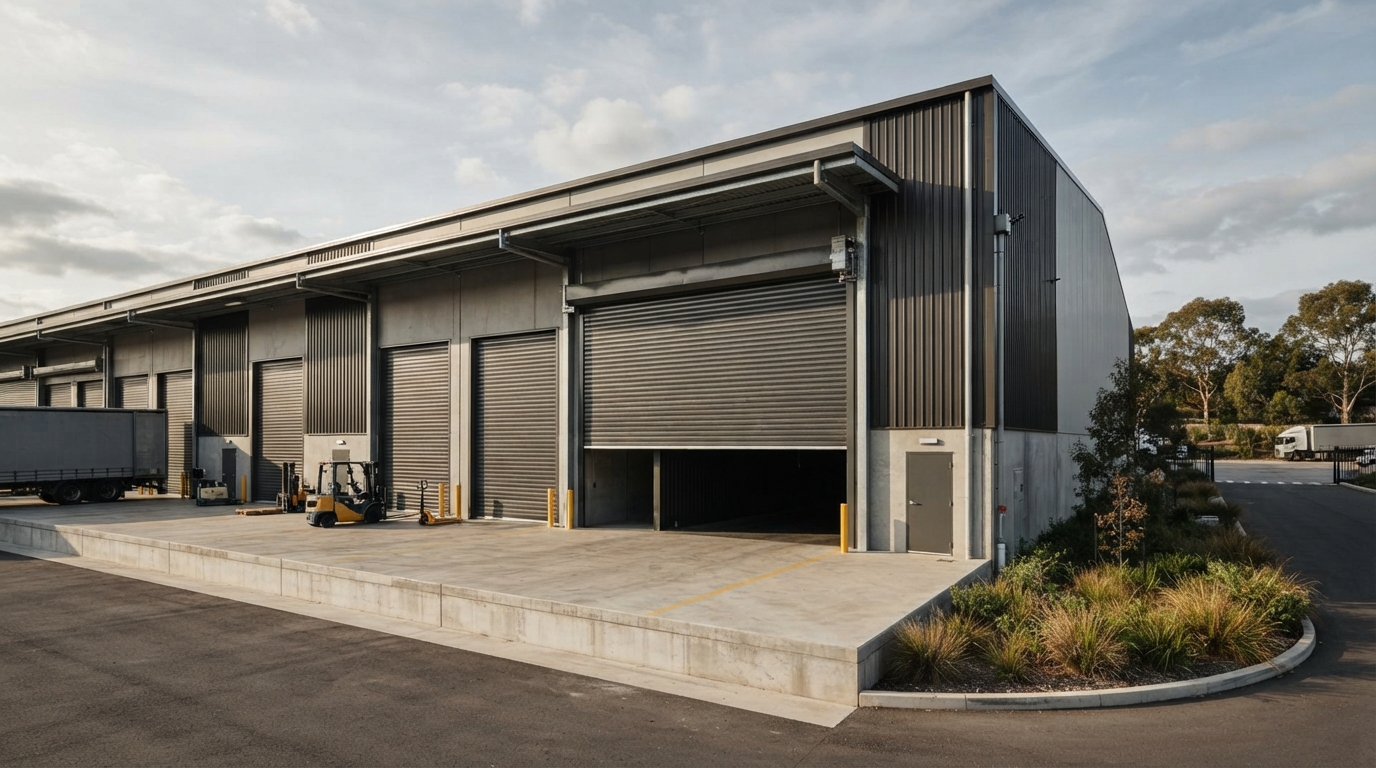
Businesses have different security concerns from typical residential properties. Retail stores, offices, warehouses, restaurants, and other commercial buildings may contain valuable equipment, inventory, electronics, and other assets.
Commercial security shutters can provide an additional layer of protection, particularly for storefronts and other vulnerable openings. Automated systems can make it easier for staff to secure a property consistently at closing time.
For a commercial property owner, this can complement an existing security system. Cameras can record activity, alarms can detect unauthorized access, and monitoring services can send alerts. Security shutters provide the physical barrier that works alongside these technologies.
When discussing commercial property insurance with an insurer, explain the complete security setup rather than focusing on one product alone. The combination of automated security shutters, alarms, cameras, lighting, access control, and other security features may provide a more complete picture of how the business manages risk.
Do Automated Security Shutters Matter for Insurance?
Automated security shutters can offer convenience as well as physical protection. With a properly configured system, shutters can be opened and closed according to the needs of the property, reducing the chance that employees or occupants forget to secure an opening.
However, automation by itself does not guarantee an insurance benefit. What matters to an insurer is likely to depend on the property’s specific risk factors and the security measures recognized under the policy.
If insurance considerations are important, ask your insurer whether the particular shutter system and its method of operation meet their requirements.
Does Professional Installation Matter?
A security shutter can only perform as intended when it is correctly specified and installed. Professional installation helps ensure that the system is properly fitted to the opening and operates according to the manufacturer’s requirements.
It is also sensible to retain relevant documentation after installation. Depending on the insurer, useful records may include product information, invoices, installation records, specifications, warranties, and any applicable certifications.
If you plan to notify your insurer about the improvement, ask what documentation they need. Having the information ready can make it easier for an insurance broker or underwriter to assess the security improvement.
What Should You Ask Your Insurance Broker?
Before installing security shutters, speak with your insurer or broker if you want to understand the potential insurance implications. Rather than simply asking, “Will my premium go down?”, ask more specific questions about how the improvement fits into your policy.
For example, you can ask whether security shutters qualify as an approved security measure, whether they can affect your insurance premiums, whether any insurance discounts are available, and whether the insurer requires a particular standard or installation method.
You should also ask whether the shutters could help satisfy a security requirement attached to your insurance coverage. In some situations, the benefit may not be a discount at all. The installation could instead help a property meet a particular security expectation or reduce concerns about an exposed risk.
Getting these answers before installation can help you make a better-informed investment.
Are Security Shutters Worth Installing for Insurance Benefits Alone?
Insurance should be considered one part of the decision, not the entire reason to install security shutters.
The broader value comes from combining security, convenience, and property protection. Shutters can help protect vulnerable windows and doors, discourage unwanted access, limit exposure to vandalism, and, depending on the system, provide additional storm protection.
For a business, the potential cost of a break-in can extend beyond the stolen property itself. Repairs, downtime, lost sales, damaged equipment, and disruption can all have a lasting impact. Taking preventative measures can therefore make sense even if an insurer does not offer a premium reduction.
The best approach is to look at the total value of the security improvement and then confirm with your insurance provider whether it provides any additional policy benefit.
Final Takeaway
Installing security shutters can be a practical way to strengthen physical security while supporting a broader loss prevention strategy. They may help protect against break-ins, forced entry, vandalism, and certain types of property damage, while some insurers may recognize qualifying security improvements. However, insurance discounts and premium reductions are never automatic. Speak with your insurer or broker to understand how security shutters could apply to your specific coverage and risk profile.