When summer heat peaks, air conditioners end up working overtime, and electricity bills climb just as fast. Many homeowners don’t realize that a large portion of that heat enters through windows. Exterior screens offer a practical way to stop that heat before it gets inside. By reducing solar heat gain and improving overall thermal performance, they help lower AC usage, improve comfort, and reduce energy costs in a surprisingly effective way.
What Are Exterior Screens?
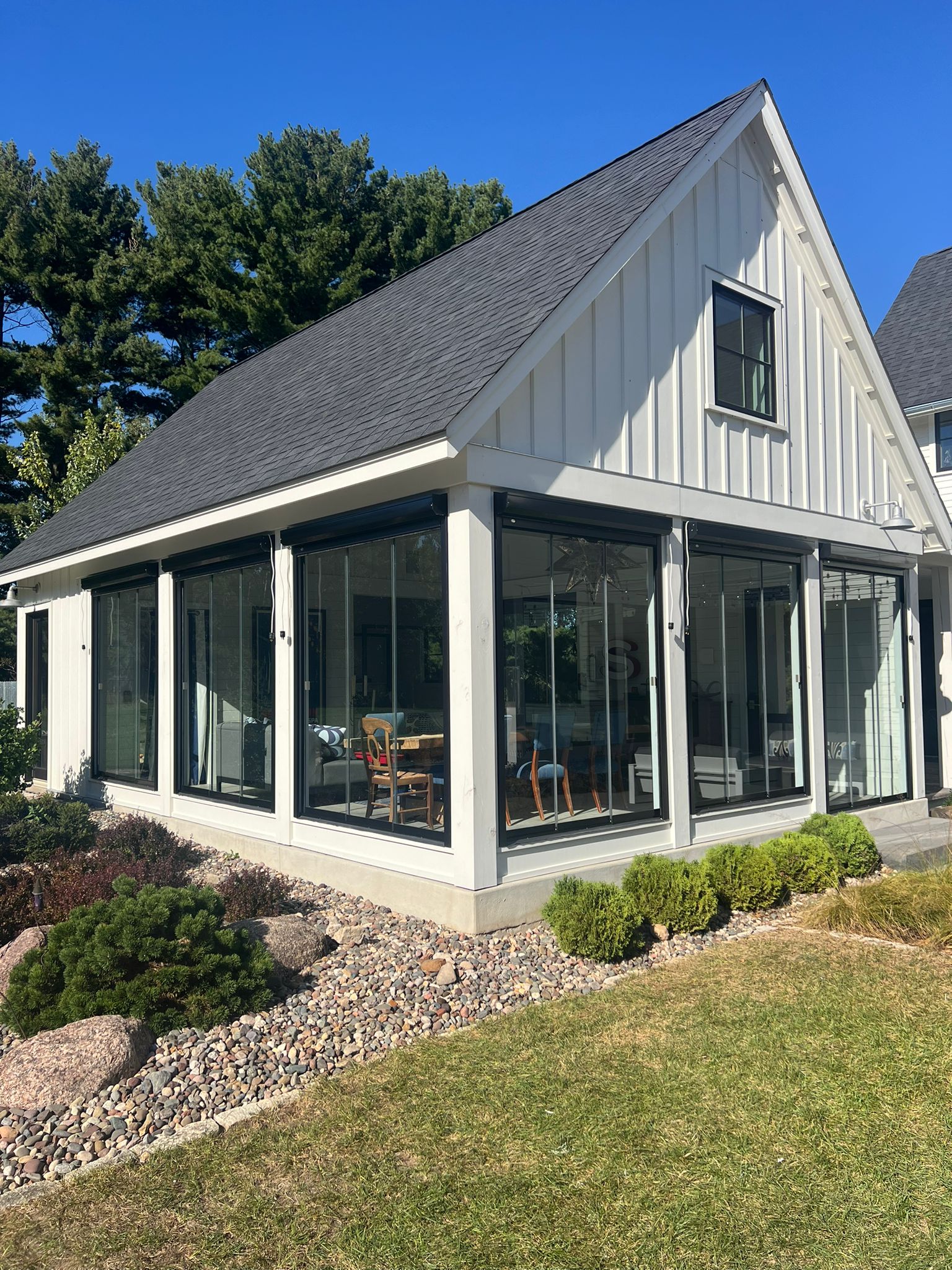
Exterior screens are advanced window shading systems designed to block sunlight and heat before it enters a building. Unlike interior blinds or curtains, exterior solar screens work on the outside of windows, making them far more effective at reducing heat transfer.
These systems include exterior shades, exterior window screens, and reflective fabric screens that are specifically engineered for energy efficiency. They are widely used in modern construction as part of energy-efficient window coverings, helping buildings maintain better indoor temperatures while reducing reliance on air conditioning systems.
How Exterior Screens Reduce AC Bills
The key reason exterior screens lower AC bills is simple: they reduce the amount of heat entering the home in the first place. When sunlight hits a window, it brings solar radiation that quickly turns into indoor heat. Without protection, this increases indoor temperatures and forces HVAC systems to work harder.
Exterior screens block a significant portion of this solar radiation before it reaches the glass. This results in reduced heat gain reduction and significantly less strain on cooling systems. Over time, this translates into noticeable cooling costs reduction and consistent energy savings, especially in warmer climates.
Heat Gain Reduction and Thermal Performance
One of the most important benefits of exterior screens is their ability to improve thermal performance. Windows are one of the weakest points in a building envelope when it comes to heat control. During peak summer temperatures, untreated glass allows excessive heat gain reduction issues, making indoor spaces uncomfortable.
By installing exterior solar screens, homeowners can significantly reduce this heat gain. The screens act as a barrier that limits heat transfer reduction, ensuring that indoor temperatures remain more stable throughout the day. This also reduces the need for constant air conditioning use.
Lower AC Bills Through Reduced HVAC Load
Air conditioning systems consume a large amount of energy, especially during long summer months. When a home absorbs less heat, the HVAC system doesn’t need to run as frequently or as intensely. This leads directly to HVAC load reduction.
Exterior screens help achieve this by maintaining cooler indoor conditions naturally. With less demand placed on cooling systems, homeowners experience lower AC bills and improved home energy efficiency. Over time, this reduction in energy usage can lead to significant financial savings.
Passive Cooling and Natural Energy Efficiency
One of the most underrated benefits of exterior screens is their role in passive cooling. Instead of relying entirely on mechanical systems like air conditioners, passive cooling focuses on reducing heat buildup naturally.
By blocking solar heat gain at the source, exterior screens help maintain comfortable indoor temperatures without additional energy consumption. This contributes to a more sustainable and efficient living environment while reducing dependence on artificial climate control solutions.
Indoor Comfort Improvement
Beyond energy savings, exterior screens greatly enhance indoor comfort improvement. Rooms exposed to direct sunlight often become uncomfortably hot and uneven in temperature. Exterior shading helps regulate this imbalance.
With reduced heat entering through windows, indoor environments feel cooler and more stable. This eliminates hot spots and improves overall livability, especially in areas with intense sun exposure throughout the day.
UV Protection and Interior Preservation
Another major advantage of exterior solar screens is their ability to block harmful ultraviolet rays. UV exposure can damage furniture, flooring, and interior decor over time.
By filtering out a large portion of UV radiation, exterior screens provide valuable protection for interior spaces. This not only preserves aesthetics but also extends the lifespan of interior materials, making them a smart long-term investment.
Glare Reduction and Visual Comfort
Direct sunlight can create intense glare inside homes and offices, making it difficult to use screens, work comfortably, or relax. Exterior window screens significantly reduce this issue.
By controlling the amount of light entering a space, they improve visual comfort without completely blocking natural daylight. This balance makes interiors more usable and pleasant throughout the day.
Climate Control Solutions for Modern Homes
In regions with extreme summer heat, managing indoor temperatures becomes a constant challenge. Exterior screens act as effective climate control solutions by reducing heat buildup and maintaining consistent indoor conditions.
They are especially useful in homes with large glass surfaces or west-facing windows, which tend to receive the most intense afternoon sunlight. By addressing this directly, exterior shading systems help maintain comfort even during extreme weather conditions.
Why West-Facing Windows Need Extra Protection
West-facing windows are particularly vulnerable to heat gain because they receive strong sunlight in the afternoon when outdoor temperatures are already high. This combination leads to rapid indoor heating.
Exterior screens are highly effective in these situations because they block solar radiation before it enters the glass. This targeted protection helps reduce overheating and improves overall energy efficiency in the most affected areas of the home.
Materials and Technology Behind Exterior Screens
Modern exterior solar screens are made using advanced reflective fabric screens designed to maximize heat reflection while maintaining visibility and airflow. These materials are engineered for durability, UV resistance, and long-term performance.
When integrated into window shading systems, they provide a balance of protection and aesthetics. Their design ensures that buildings maintain a modern appearance while benefiting from improved thermal regulation and energy efficiency.
Real Energy Savings and Long-Term Value
The financial impact of exterior screens becomes more noticeable over time. By reducing reliance on air conditioning systems, homeowners experience consistent energy savings month after month.
During peak summer temperatures, these savings become even more significant as cooling systems typically run at maximum capacity. Over the long term, reduced energy consumption contributes to lower utility bills and improved return on investment for property upgrades.
Are Exterior Screens Worth It?
For homeowners looking to improve comfort and reduce energy costs, exterior screens are a highly practical solution. They combine multiple benefits including lower AC bills, improved indoor comfort, UV protection, and better thermal performance.
When compared to traditional interior window coverings, exterior solutions offer a more effective way to control heat at the source, making them a smart upgrade for both new and existing homes.
Final Thoughts
Exterior screens provide a simple yet powerful way to reduce cooling costs and improve overall home efficiency. By blocking solar heat gain before it enters the home, they reduce strain on air conditioning systems and enhance indoor comfort. With benefits ranging from energy savings to UV protection and climate control, they represent a long-term solution for smarter, more efficient living.