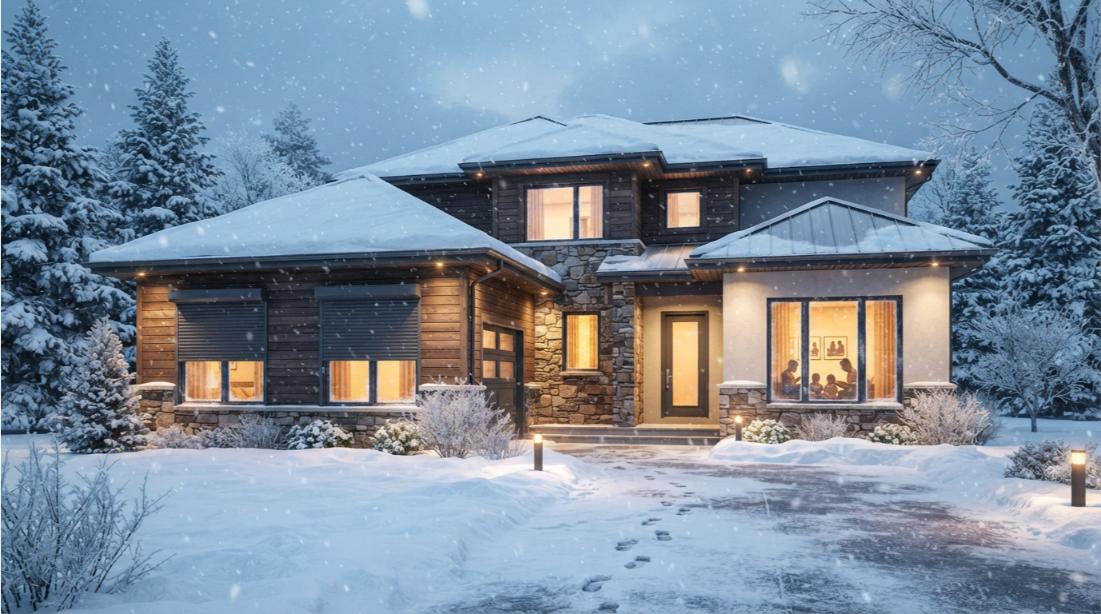
Canadian winters can be tough on a home. Snow, freezing temperatures, ice, strong winds, and winter storms can affect everything from the roof and plumbing to heating systems and exterior spaces. The good news is that much of this risk can be reduced with the right preparation. This guide covers practical winter protection measures to help Canadian homeowners stay comfortable, prevent costly damage, and keep their homes ready for severe weather.
Why Winter Protection Matters for Canadian Homes
Winter weather can create several problems at once. Heavy snowfall can put additional weight on a roof, while melting snow and refreezing temperatures can contribute to ice dams and drainage problems. Cold temperatures can also cause frozen pipes, increase heating demands, and expose weaknesses around windows and doors.
For Canadian homes, winter preparation should go beyond simply turning on the furnace. A well-prepared home combines proper insulation, roof maintenance, plumbing protection, efficient heating, and sensible exterior maintenance. Taking care of these areas before temperatures drop can help reduce the possibility of winter weather damage and improve energy efficiency throughout the colder months.
Protect Your Roof From Snow and Ice
The roof is one of the first parts of a home to face winter’s harsh conditions. Before the first major snowfall, inspect the roof for damaged shingles, loose flashing, cracks, or other areas where water could enter. Problems that seem minor in autumn can become much more serious when snow and ice arrive.
Heavy snowfall deserves particular attention. Excessive snow accumulation can increase the load on a roof, especially when wet snow is involved. Homeowners should understand the limits of their roofing system and arrange professional snow removal when accumulation becomes a concern. Attempting to clear a steep or difficult-to-access roof without the right equipment can create unnecessary safety risks.
Ice dams are another common winter concern. They form when heat escaping from the home melts snow on warmer areas of the roof, allowing water to flow toward colder roof edges where it can refreeze. Over time, that ice can prevent water from draining properly and potentially lead to leaks.
Proper roof protection starts with addressing the underlying causes. Adequate attic insulation, good air sealing, and balanced attic ventilation can help maintain more consistent roof temperatures and reduce conditions that contribute to ice dams.
Keep Roof Drainage Working Properly
Gutters and downspouts may not receive much attention during winter, but they play an important role in protecting a home. Before snowfall begins, remove leaves, dirt, and other debris that could block water flow.
Good roof drainage allows melting snow and ice to move away from the structure instead of collecting around the roofline or foundation. Check that downspouts are securely connected and direct water away from the home’s foundation.
Freeze-thaw cycles can make drainage problems worse. Water that becomes trapped in gutters or other areas may freeze, expand, and create additional stress. A simple inspection before winter can help identify problems before they become expensive repairs.
Improve Attic and Home Insulation
A properly insulated home is better equipped to handle cold weather. Attic insulation is particularly important because heat naturally rises, and inadequate insulation can allow a significant amount of warmth to escape through the roof.
Good attic insulation can help maintain indoor temperatures while reducing unnecessary heat loss. It can also work alongside attic ventilation to create a more stable environment above the living space.
Attic ventilation is important because it helps manage moisture and temperature within the attic. However, ventilation should not be viewed as a replacement for insulation. The two serve different purposes and should work together as part of a properly designed system.
Home insulation should also be considered beyond the attic. Walls, basements, crawlspaces, and other areas can contribute to heat loss when insulation is inadequate. Improving insulation where needed can make rooms more comfortable and support better energy efficiency during the heating season.
Seal Windows and Doors Against Cold Air
Drafty windows and doors can make a home feel colder while forcing the heating system to work harder. Before winter arrives, inspect frames, seals, and surrounding areas for visible gaps or cracks.
Sealing windows and doors can be a relatively simple way to reduce unwanted air movement. Weather stripping around doors and operable windows can help close small gaps, while appropriate caulking can address cracks around stationary frames.
Pay attention to areas where you can feel cold air entering. A room that never seems to warm up may have an air-leak problem rather than a heating problem. Addressing these leaks can improve comfort and help prevent unnecessary energy consumption.
Prepare Your Heating System Before the Cold Arrives
Your heating system will likely work harder during winter, so preventative maintenance is worth doing before temperatures reach their lowest point. Furnace maintenance can help identify issues before they become an emergency during a particularly cold period.
Have the system inspected and serviced according to the manufacturer’s recommendations. Filters should also be cleaned or replaced as required, and vents or registers should remain clear of furniture and other obstructions.
A programmable thermostat can provide another useful way to manage indoor temperatures. Homeowners can schedule temperature changes around sleeping hours or times when the house is unoccupied. The goal is not simply to lower the temperature as much as possible, but to maintain a comfortable and safe environment while avoiding unnecessary heating.
If your heating system behaves unusually, produces strange sounds, or struggles to maintain the desired temperature, arrange a professional inspection rather than waiting for a complete failure.
Protect Pipes From Freezing
Frozen pipes can quickly turn into a major plumbing emergency. Pipes located near exterior walls, in garages, crawlspaces, basements, or other cold areas may be especially vulnerable during prolonged freezing temperatures.
Pipe insulation can help protect vulnerable plumbing by reducing exposure to extreme cold. Before winter, identify pipes in unheated or poorly insulated areas and take appropriate measures to protect them.
Maintaining adequate indoor temperatures is also important. If you plan to be away from home during a cold spell, don’t simply turn the heating system off. Instead, maintain a safe temperature and take precautions appropriate for the property.
If you suspect a pipe has frozen, act promptly. A frozen pipe can eventually burst as pressure builds inside the plumbing system. When a serious plumbing problem occurs, professional assistance is often the safest option.
Manage Snow and Ice Around Your Property
Snow removal is part of routine winter maintenance for many Canadian homeowners. Walkways, steps, driveways, and entrances should be cleared regularly to reduce slip hazards and maintain access to the property.
For icy surfaces, de-icers can help improve traction and melt accumulated ice. Always follow the manufacturer’s instructions and consider the potential effect of a product on concrete, landscaping, pets, and surrounding surfaces.
Snow should also be placed where it will not block drainage systems, doors, emergency exits, or visibility. After a major snowfall, take a few minutes to inspect the property for unusual accumulation or signs of damage.
Prepare for Power Outages and Heating Emergencies
Winter storms can sometimes cause power outages, particularly when strong winds, heavy snow, or ice affect utility infrastructure. A basic emergency kit can make an unexpected outage much easier to manage.
Keep flashlights, batteries, portable chargers, blankets, water, non-perishable food, first-aid supplies, and other essential items somewhere that is easy to access. It’s also worth having a plan for maintaining safe indoor temperatures if an outage lasts for an extended period.
Backup heating and power options may provide additional resilience, but they must be used safely. Fuel-burning equipment designed for outdoor use should never be operated inside a home, garage, or other enclosed space because of the risk of carbon monoxide poisoning. Any backup equipment should be installed and operated according to its manufacturer’s requirements.
If an extended outage makes the property unsafe or too cold to occupy, leaving the home may be the safest choice.
Consider Weather-Resistant Exterior Protection
Winter preparation doesn’t have to stop at the walls of the house. Exterior areas such as entrances, patios, and other living spaces can also benefit from protection against harsh weather.
Weather-resistant shelters and other exterior protection systems can help shield specific areas from snow, wind, and changing weather conditions. Depending on the design, these solutions can also make outdoor spaces more practical throughout different seasons.
For homeowners considering a more permanent exterior solution, Talius offers products designed around security, shading, weather protection, and outdoor comfort. Its range includes security shutters, retractable screens, awnings, and other custom exterior solutions for residential and commercial applications.
The right option depends on the property’s design, exposure to the elements, and the type of protection required. Working with an experienced dealer can help homeowners determine which solution fits their particular space.
When Should You Call a Professional?
Not every winter maintenance task is suitable for DIY work. Professional help should be considered when you discover significant roof damage, persistent ice dams, serious leaks, heating-system problems, frozen or burst pipes, or structural concerns following heavy snowfall.
Roof work can be particularly dangerous during winter because snow and ice create slippery conditions. Electrical systems, furnaces, plumbing, and structural components also require appropriate knowledge and equipment.
Getting professional assistance early can prevent a small issue from becoming a much larger repair.
Winter Protection Checklist for Canadian Homeowners
A simple seasonal checklist can make winter preparation easier. Before winter arrives, inspect the roof, clean gutters, check roof drainage, review attic insulation and ventilation, seal drafts around windows and doors, service the heating system, and protect vulnerable plumbing.
During winter, monitor snowfall, clear walkways, manage ice accumulation, watch for signs of ice dams, and pay attention to changes in your heating or plumbing systems.
After a major winter storm, inspect the exterior for damage, check for leaks, examine gutters and downspouts, and look for signs of roof or structural problems. If something doesn’t look right, have it assessed before the next storm arrives.
Final Thoughts on Winter Protection for Canadian Homes
Effective winter protection starts before the first major storm. Roof maintenance, insulation, heating preparation, pipe protection, drainage, and snow management can all help Canadian homeowners reduce winter risks. Adding appropriate exterior protection can provide another layer of resilience and comfort. With a little planning and regular maintenance, your home can be better prepared for snow, ice, freezing temperatures, and whatever the Canadian winter brings.