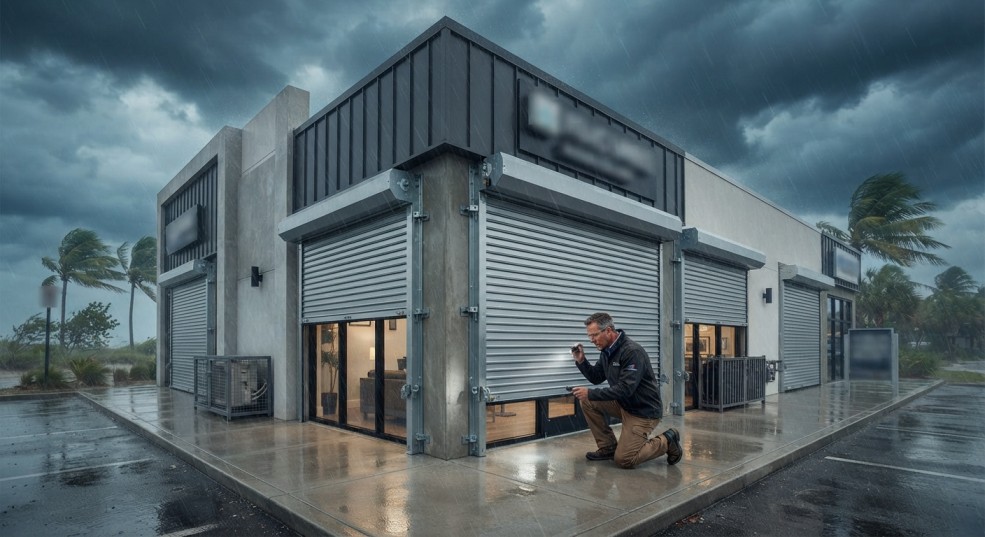
Coastal businesses face a unique combination of risks when hurricanes approach. High winds, flying debris, wind-driven rain, and storm surge can threaten buildings, equipment, inventory, and daily operations. Effective commercial hurricane protection helps businesses prepare for these threats while supporting property protection, employee safety, and faster recovery. The right storm-resistant systems can become an important part of a company’s broader emergency preparedness and business continuity strategy.
Why Coastal Businesses Need Hurricane Protection
For businesses located along the coast, hurricane preparation is more than securing outdoor furniture and waiting for the storm to pass. A commercial property may contain expensive equipment, merchandise, technology, documents, and other assets that are difficult or costly to replace. Damage to the building itself can also keep a business closed long after weather conditions improve.
High winds
are one of the most obvious threats. Strong winds create significant pressure on a building and can place vulnerable areas under stress. Windows, doors, storefronts, and other openings can become weak points in the building envelope, particularly when they are exposed to severe wind conditions.
Flying debris
creates another serious concern. Objects carried by hurricane-force winds can strike windows and doors, potentially damaging an opening and exposing the interior to additional wind and rain. Once an opening is compromised, the risk to equipment, inventory, furnishings, and other assets can increase considerably.
Wind-driven rain
can create additional problems even when a building does not experience major structural damage. Water entering through damaged or vulnerable openings can affect electrical systems, merchandise, interior finishes, and business-critical equipment.
Storm surge presents a different challenge. Businesses in flood-prone coastal areas should understand that opening protection is not a replacement for flood mitigation or a comprehensive disaster plan. Instead, hurricane protection should be viewed as one part of a broader approach to coastal resilience.
What Is Commercial Hurricane Protection?
Commercial hurricane protection refers to systems and strategies designed to help protect commercial buildings and their vulnerable openings from severe weather. Depending on the property, this may include hurricane shutters, security shutters, hurricane screens, and other storm-resistant systems.
The appropriate solution depends on several factors, including the building’s design, window and door configurations, location, exposure, expected wind loads, and applicable local building codes.
For a business owner, the goal is not simply to install a product and forget about it. Effective protection should fit the property, be practical for employees to operate, and support the company’s larger emergency preparedness plan.
A well-planned system can help businesses focus on several priorities at once: protecting the building envelope, reducing exposure to weather-related damage, safeguarding valuable assets, and preparing for a quicker return to normal operations.
Hurricane Protection Options for Commercial Properties
Hurricane Shutters
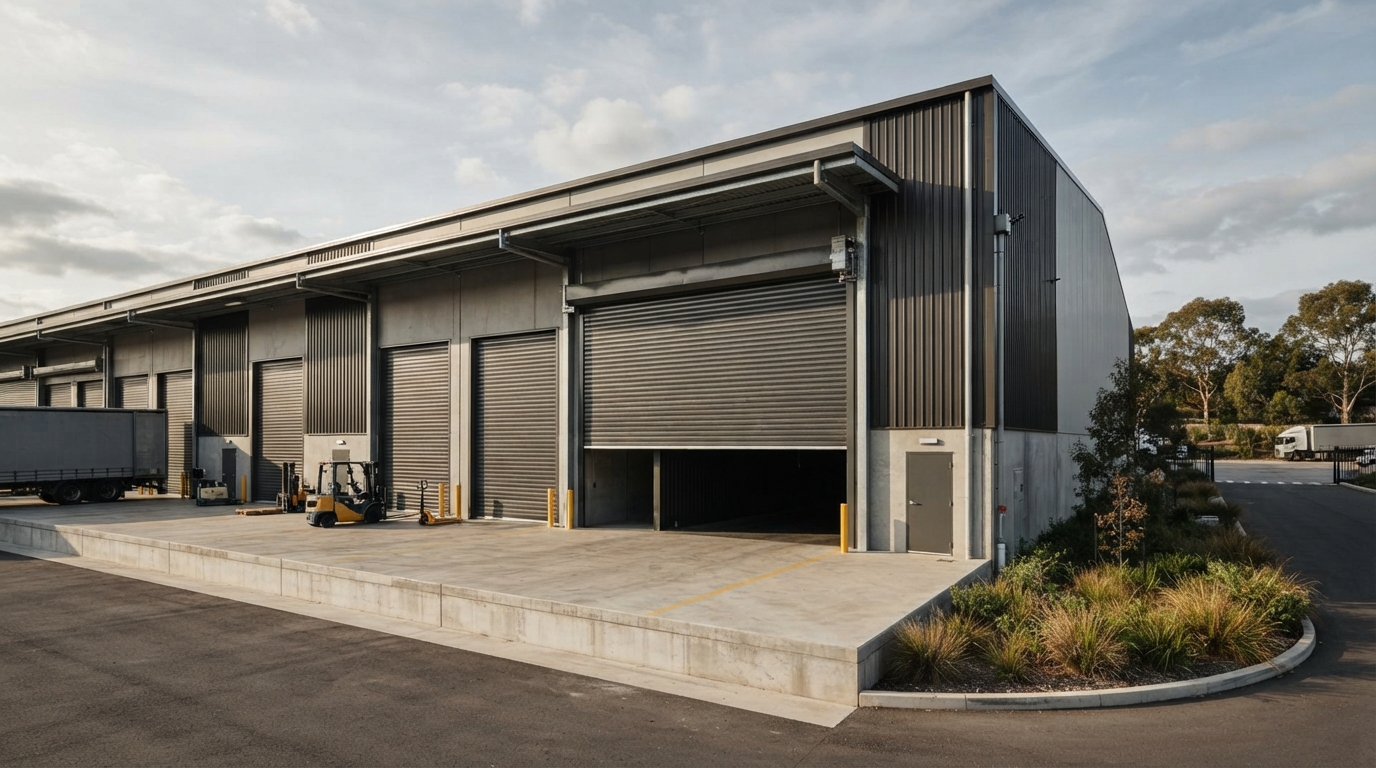
Hurricane shutters are commonly used to protect windows, doors, and other vulnerable openings during severe weather. Depending on the system, shutters can provide a physical barrier between the opening and external hazards such as high winds, rain, and flying debris.
For commercial properties, customization can be particularly important. A storefront, restaurant, office building, school, or industrial facility may have very different opening sizes and protection requirements.
Businesses should consider the system’s construction, operation, durability, maintenance requirements, and suitability for the property’s exposure before making a decision.
Security Shutters
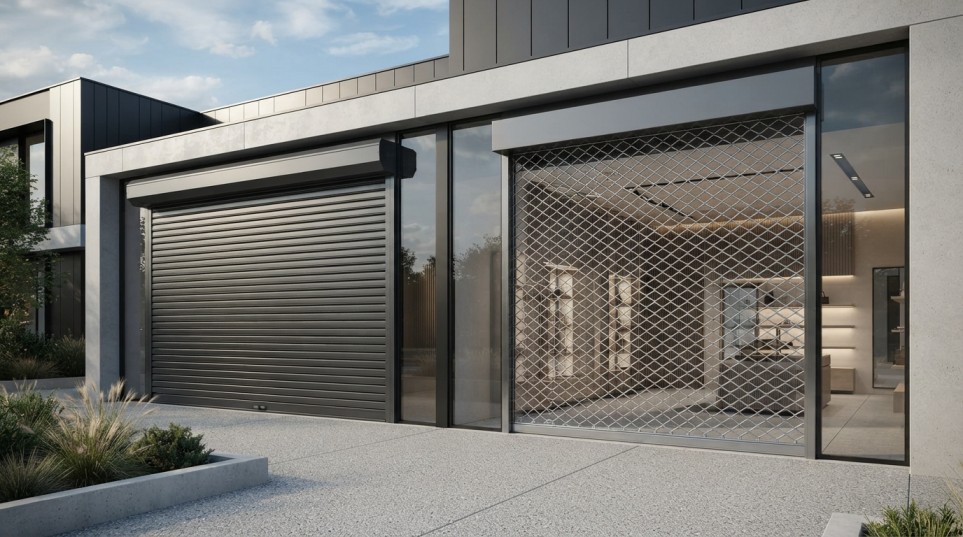
Security shutters can provide benefits that extend beyond hurricane preparation. In suitable commercial applications, they can help protect openings against severe weather while also providing an additional physical barrier when a business is closed.
This dual-purpose approach can be valuable for retail locations and other commercial properties where security and storm protection are both priorities. A properly selected system may contribute to everyday security while also forming part of a hurricane preparedness strategy.
Hurricane Screens
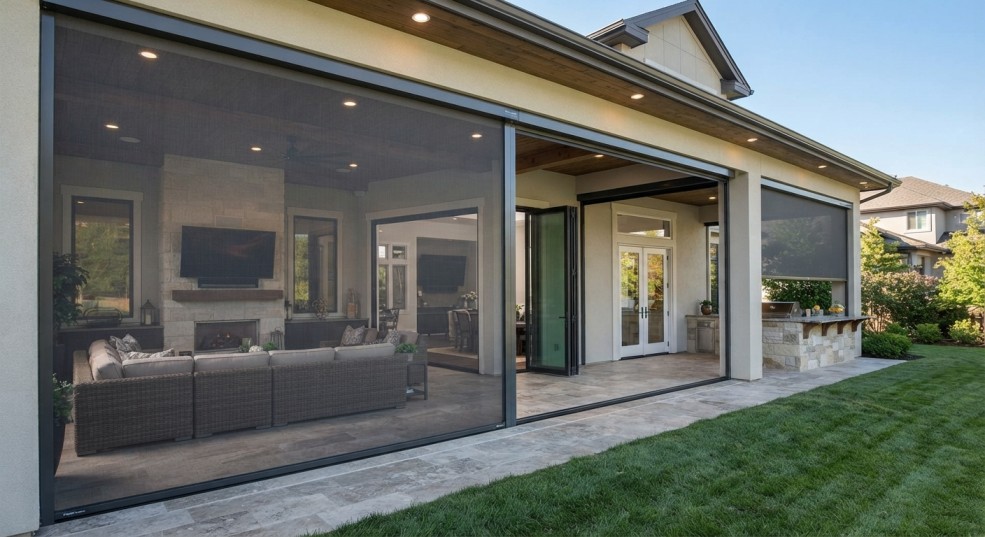
Hurricane screens offer another approach to commercial storm protection. Retractable or deployable screen systems can be particularly useful where businesses want protection without permanently blocking access, visibility, or the use of an opening.
The right application depends on the building and the performance requirements of the project. Businesses should look at factors such as wind exposure, opening dimensions, operation, impact resistance, and applicable standards before selecting a system.
How Hurricane Protection Supports Business Continuity
A hurricane can cause business interruption even when the building remains standing. Damaged windows, water intrusion, inaccessible facilities, and damaged equipment can prevent a company from reopening quickly.
This is why hurricane protection should be connected to a business continuity plan.
Consider a coastal retail business with expensive inventory displayed near large windows. Protecting those openings can be an important part of its overall property and asset protection strategy. Similarly, an office or commercial facility may need to protect computers, communication equipment, documents, and other critical resources.
Reducing the likelihood of damage to vulnerable areas can help businesses limit potential downtime and make the recovery process more manageable.
Of course, no hurricane protection system can eliminate every possible risk. Business owners should also maintain appropriate insurance, protect important data, establish communication procedures, and identify alternative operating arrangements when necessary.
Hurricane Protection and Emergency Preparedness
Good emergency preparedness starts well before a hurricane is forecast. Waiting until the last minute can make it more difficult to inspect, repair, or deploy protective systems.
Businesses should periodically inspect their hurricane protection equipment and make sure employees understand how it operates. If a system is designed for quick deployment, staff should know when and how it should be deployed according to the manufacturer’s instructions.
It is also worth reviewing the property for other vulnerabilities. Loose outdoor equipment, signage, landscaping materials, and unsecured objects can become dangerous debris during a storm.
Before hurricane season, businesses can review their continuity plans, identify critical assets, update emergency contacts, and determine which parts of the property require additional attention.
Understanding Wind Loads, Impact Resistance, and Building Codes
Not every hurricane protection system is appropriate for every commercial property. One important consideration is wind loads, which describe the forces wind can exert on a building and its components.
A coastal property exposed to severe weather may have different requirements from a building located farther inland. Building height, orientation, opening size, geographic location, and surrounding structures can all influence the protection requirements.
Impact resistance is another important consideration. A system designed for an appropriate application can help protect vulnerable windows and doors from impacts associated with flying debris.
Businesses should also pay close attention to local building codes and project-specific requirements. Hurricane-related requirements can vary between jurisdictions, and compliance may depend on the property’s location, construction, and intended use.
Rather than assuming that one solution fits every building, commercial property owners should have their specific requirements evaluated by qualified professionals.
How Hurricane Protection Contributes to Coastal Resilience
Coastal resilience is about more than surviving a single storm. It involves preparing a business to withstand severe weather, minimize disruption, and recover effectively afterward.
Hurricane protection can support this goal by addressing some of the most vulnerable parts of a commercial property. When combined with emergency planning, asset protection, proper maintenance, insurance, and recovery procedures, storm protection becomes part of a larger resilience strategy.
For coastal businesses, this proactive approach can be especially valuable. A company that prepares its property before hurricane season is in a stronger position than one attempting to make last-minute decisions when a storm is already approaching.
Choosing the Right Commercial Hurricane Protection System
The first step is to identify the property’s vulnerable openings. Windows, doors, large storefronts, and other exposed areas may require different approaches.
Next, consider the local environment. Businesses should evaluate their exposure to high winds, wind-driven rain, flying debris, and other hurricane-related hazards. Coastal conditions can also make durability and long-term maintenance important considerations.
Ease of operation matters as well. A protection system that employees can deploy efficiently can be more practical during an approaching storm. Businesses should understand whether a system is manually or automatically operated, how it is maintained, and what training may be required.
Finally, consider the long-term needs of the property. A commercial hurricane protection investment should make sense not only for the next storm but also for ongoing security, weather protection, comfort, and property management.
Preparing Your Business for the Next Hurricane
Hurricane preparation should be treated as an ongoing process rather than a once-a-year task. Before hurricane season, inspect protection systems, identify vulnerable openings, review local requirements, and update the business continuity plan.
When a storm threatens the area, follow official guidance, secure loose exterior items, protect critical assets, and deploy appropriate protection systems according to their instructions. Employees and customers should also know how the business will communicate changes to operations.
After the storm, safety comes first. Do not enter areas that may be structurally unsafe or affected by electrical hazards. Once it is safe, document damage, contact appropriate professionals, and begin the post-storm recovery process.
Frequently Asked Questions
What is the best hurricane protection for a commercial property?
There is no single solution that works for every commercial property. The appropriate system depends on the building’s design, window and door openings, location, wind exposure, protection requirements, and applicable local building codes.
Do hurricane shutters protect commercial windows from flying debris?
Properly selected and appropriately rated hurricane shutters can provide protection for vulnerable openings against severe weather hazards, including impacts from flying debris. The system should be specified for the property’s particular requirements.
Are hurricane screens suitable for commercial buildings?
Hurricane screens can be suitable for certain commercial applications. Their suitability depends on factors such as the opening, expected wind loads, impact requirements, installation, and the system’s applicable ratings or approvals.
How can hurricane protection help reduce business interruption?
Protecting vulnerable openings can help reduce the potential for wind and rain to enter the building and damage interior assets. This can support a broader business continuity strategy and potentially make post-storm recovery easier.
Do hurricane shutters protect against storm surge?
Hurricane shutters primarily address risks associated with building openings. They should not be considered a substitute for flood protection or storm-surge mitigation. Coastal businesses should use multiple measures as part of a comprehensive emergency preparedness strategy.
What should businesses do before hurricane season?
Businesses should inspect and maintain their storm protection systems, identify vulnerable areas, review their business continuity plan, protect critical assets, verify applicable local requirements, and ensure employees understand emergency procedures.
Protect Your Coastal Business Before the Next Storm
Hurricanes can threaten coastal businesses through high winds, flying debris, wind-driven rain, and flooding. Preparing early with appropriate commercial hurricane protection can help businesses protect vulnerable openings, valuable assets, and daily operations. Hurricane shutters, security shutters, and hurricane screens can all play a role in a broader storm protection strategy. For businesses looking to strengthen coastal resilience, the right protection system is an investment in preparedness, continuity, and post-storm recovery.