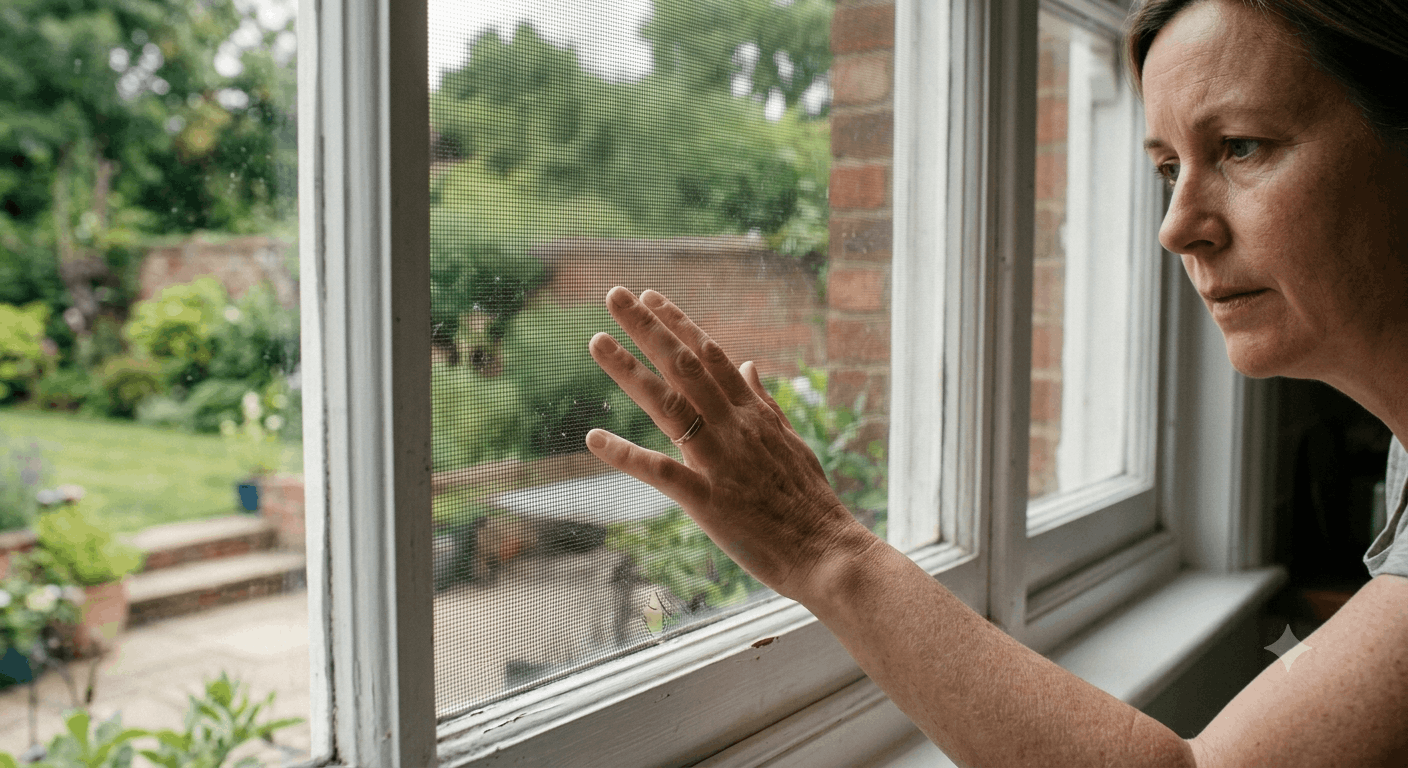
Flyscreens are one of those home features you barely notice until they stop doing their job. They let in fresh air, support ventilation, and keep insects outside where they belong. But they do wear out over time. Their lifespan depends on the mesh, frame, climate, and how much use they get. If you understand what shortens their life, you can keep them performing well for much longer.
What Is the Average Lifespan of Flyscreens?
The average lifespan of flyscreens usually falls somewhere between 8 and 15 years, although that range can stretch further when the screens are made well and looked after properly. Some premium systems last even longer, especially when they are installed in protected areas and cleaned regularly.
Not all flyscreens age at the same pace. Window screens often last longer than door screens because they are handled less often. Door screens are opened, closed, bumped, and pulled more frequently, which means more wear and tear over time. Screens on rarely used windows may stay in good condition for years with very little attention.
Retractable flyscreens can also offer a long service life because the mesh is protected inside a housing when not in use. That reduces exposure to sunlight, moisture, dust, and accidental damage. Security screens, which use stronger mesh and reinforced frames, are built for durability and often outlast standard insect screens when maintained properly.
In real-world terms, lifespan is not just about how many years a screen has been installed. It is also about how well it continues to perform. A screen may still be physically intact but no longer provide proper insect protection if the mesh has loosened, the frame has shifted, or the material has become brittle. That is why service life and screen performance matter just as much as the calendar.
What Factors Affect How Long Flyscreens Last?
Several things influence how long flyscreens continue to work properly. Some are related to the materials used, while others come down to the environment or how the screens are used day to day.
Mesh Material
The flyscreen mesh is the part most people notice first, and it plays a major role in durability.
Fiberglass mesh
Fiberglass Mesh is one of the most common choices. It is lightweight, affordable, and resistant to rust, which makes it a practical option for many homes. It also allows good airflow and visibility. The downside is that fiberglass can become brittle after long exposure to UV rays. Once that happens, the mesh may crack more easily and lose some of its flexibility.
Aluminium mesh
Aluminium Mesh is stronger than fiberglass and handles accidental knocks better. It is a solid choice for homes that need a tougher screen, but it can be more vulnerable to corrosion in damp or salty environments if it is not properly protected. In homes where screens are likely to be touched often, aluminium can be a worthwhile upgrade because it tends to hold its shape better than softer materials.
Stainless steel mesh
Stainless steel mesh is the most durable option for many situations. It resists corrosion, handles harsh weather well, and stands up to repeated use. This makes it especially useful in coastal climate areas or homes exposed to strong winds and debris. It is often chosen where long-term value matters more than the lowest upfront cost.
Polyester mesh
Polyester mesh offers flexibility and good tear resistance. It is often used in retractable flyscreens because it can handle movement better than some other materials. It also performs well where repeated opening and closing is part of everyday use. For homeowners who want a balance of durability and smooth operation, polyester can be a smart choice.
Choosing the right mesh quality from the start can make a big difference in both lifespan and screen performance. A cheaper mesh may save money initially, but if it wears out quickly, the long-term cost can end up being higher.
Screen Frame Quality
The screen frame matters just as much as the mesh. A strong frame keeps the mesh tight, prevents sagging, and helps the screen stay in place.
Many high-quality flyscreens use powder-coated aluminium frames. These frames are popular because they resist rust, fading, and general weather damage better than cheaper alternatives. A weak or poorly made frame may bend, loosen, or suffer frame damage long before the mesh itself fails. Once the frame starts to move out of shape, the mesh tension is affected and the screen may no longer sit properly in the opening.
If the frame is solid, the screen is far more likely to maintain proper tension and continue providing reliable insect protection. A good frame also helps the screen look neat and function smoothly, which matters more than many people realize.
Environmental Conditions
The environment around your home has a huge impact on lifespan.
Constant UV exposure can slowly weaken mesh materials, causing fading, discoloration, and brittleness. Homes with strong sun exposure often see screens age faster than homes in shaded areas. Over time, the sun can dry out the mesh and make it less flexible, especially if the screen is made from lower-grade material.
Weather conditions also matter. Rain, humidity, temperature swings, and moisture can all affect the mesh and frame over time. In damp areas, corrosion becomes a bigger concern, especially for metal components. Even if the screen looks fine from a distance, moisture can gradually weaken fittings, fasteners, and frame joints.
Homes in a coastal climate face extra challenges because salt in the air can speed up corrosion. Even durable materials need more care in these conditions. A screen that performs well inland may deteriorate much faster near the ocean if it is not designed for salt exposure.
Strong winds can stretch the mesh, loosen fittings, or push debris against the screen. Over time, that repeated stress can reduce screen tension and lead to tears or frame movement. If your home is exposed to regular wind gusts, choosing a tougher mesh and a sturdier frame becomes especially important.
Daily Wear and Tear
Even if the weather is mild, daily use still affects how long flyscreens last.
Screens on doors in high-traffic areas are more likely to be touched, pushed, or damaged by pets and children. Repeated opening and closing can loosen the spline, weaken the mesh, or cause small frame shifts. A screen that is used several times a day will naturally age faster than one that stays in place most of the time.
Window screens usually experience less direct contact, but they still collect dust and debris and can deteriorate if ignored for too long. Over time, even light use adds up, especially if the screen is exposed to sun and moisture at the same time.
Signs Your Flyscreens Need Replacement
Flyscreens usually give a few warning signs before they fail completely. Catching those signs early can save time and money.
Visible Mesh Damage
The most obvious sign is damage to the mesh itself. Tears and holes allow insects to get inside and reduce the screen’s effectiveness right away.
Even small openings can become larger if they are left alone. A loose section of screen mesh may also indicate that the screen has lost tension and is no longer sitting properly in the frame. Once the mesh starts to pull away or sag, the screen is usually no longer doing its job as well as it should.
Material Deterioration
As flyscreens age, the materials begin to break down.
Common signs include fading from prolonged UV exposure, discoloration across the mesh, brittleness that makes the mesh crack easily, fraying around the edges, and corrosion on aluminium parts. These changes often happen slowly, so homeowners may not notice them until the screen starts to look tired or perform poorly.
Once the mesh becomes brittle, it is much harder to repair successfully. At that stage, replacement is often the better option. A brittle screen may still appear intact, but it can fail suddenly when touched or cleaned.
Frame and Hardware Problems
Sometimes the mesh still looks fine, but the supporting parts are failing.
A bent screen frame, damaged corners, or worn spline can all affect how well the screen stays in place. If the spline no longer holds the mesh tightly, the screen may sag or pull away from the frame. That can create gaps that insects can easily find.
For retractable systems, worn tracks or rollers can also reduce performance. If the screen no longer opens and closes smoothly, it may be time for servicing or replacement. A retractable screen that sticks, drags, or fails to retract properly is often telling you that the internal components are wearing out.
How to Extend the Lifespan of Flyscreens
A little care goes a long way when it comes to flyscreens. Regular attention can add years to their service life.
Clean Screens Regularly
Routine cleaning helps prevent dirt, pollen, and debris from building up on the mesh.
A soft brush, mild soap, and water are usually enough for most screens. Avoid harsh chemicals or abrasive tools, since these can damage the mesh or coating. Cleaning should be gentle but consistent, especially in areas where dust, salt, or pollen collects quickly.
Cleaning is especially important for retractable flyscreens because dirt in the tracks can affect movement and cause unnecessary wear. If the tracks are clogged, the screen may not retract smoothly, which puts extra strain on the mechanism.
Perform Routine Maintenance
Regular maintenance helps you spot small problems before they become expensive ones.
Check your screens for loose mesh, damaged spline, frame movement, reduced screen tension, and small tears or holes. A quick inspection every few months can make a big difference. If you notice a problem early, it is often easier to fix.
Maintenance does not need to be complicated. Sometimes it is as simple as tightening a fitting, wiping away debris, or checking whether the frame still sits squarely in the opening. These small habits can help preserve both appearance and function.
Make Repairs Promptly
Small repairs are usually worth doing right away.
A tiny tear can often be patched before it spreads. A worn spline can be replaced to restore tension. Loose fittings can be tightened before they cause more serious damage. Acting quickly keeps the problem from growing and helps the screen continue working as intended.
Waiting too long often turns a simple repair into a full replacement job. Once damage spreads across the mesh or frame, the cost and effort involved usually increase.
Which Flyscreen Material Lasts the Longest?
Different materials suit different homes, but some clearly last longer than others.
Fiberglass mesh
Fiberglass mesh is a good all-round option for standard residential use. It is affordable and performs well in many situations, though it may not be the best choice for harsh sun or heavy use. It is often chosen because it offers a practical balance between cost, airflow, and visibility.
Aluminium mesh
Aluminium mesh is stronger and more resistant to damage, making it a better choice for homes where screens are likely to be bumped or handled often. It can be a good middle-ground option for homeowners who want more toughness without moving to a premium material.
Stainless steel mesh
Stainless steel mesh generally offers the longest lifespan. It is tough, corrosion-resistant, and ideal for demanding environments. If you live near the coast or in an area with rough weather, this is often the most reliable option. It is especially valuable where long-term durability matters more than replacing a screen at the lowest possible cost.
Polyester mesh
Polyester mesh is flexible and durable, which makes it a smart choice for retractable flyscreens and other systems that move regularly. Because it handles repeated motion well, it can be a strong performer in modern screen systems.
The best material depends on your location, your budget, and how much use the screen will get. In many cases, the right choice is not the strongest material on paper, but the one that best matches the conditions around your home.
Does Professional Installation Make a Difference?
Yes, and often more than people expect.
Even a high-quality screen can underperform if it is installed poorly. Professional installation helps ensure the mesh is evenly tensioned, the frame is secure, and the screen fits properly in the opening.
Poor installation can lead to gaps, loose frames, uneven tension, and reduced insect protection. It can also shorten the lifespan of the screen because the materials are under stress from the start. If the frame is slightly out of square or the mesh is stretched unevenly, the screen may wear out faster than it should.
While DIY replacement can work for simple jobs, larger or custom screens often benefit from professional fitting. This is especially true for retractable flyscreens, security screens, and screens installed in tricky openings. A proper installation not only improves appearance but also supports long-term value.
How Environmental Factors Impact Flyscreen Longevity
Where you live has a big influence on how long your flyscreens last.
Homes near the coast should look for corrosion-resistant materials such as stainless steel or powder-coated aluminium. Salt air can be harsh on weaker metals and may shorten the life of cheaper screens. In these areas, choosing the right material from the beginning can prevent repeated repairs and early replacement.
Homes exposed to strong winds should choose durable mesh and sturdy frames that can handle repeated pressure. If debris is common in your area, a tougher mesh may be worth the extra cost. Screens in exposed locations often need more robust construction than screens in sheltered parts of the home.
In hot, sunny regions, UV-resistant materials are important because they help reduce fading, brittleness, and discoloration. The more extreme the environment, the more important material quality becomes.
Matching the screen to the conditions around your home is one of the smartest ways to improve durability. A screen that is suited to its environment will usually last longer and perform better with less maintenance.
When Should You Repair vs. Replace Flyscreens?
Not every damaged screen needs to be replaced straight away. In many cases, a repair is enough.
When Repairs Make Sense
Repairs are usually the right choice when the damage is minor, such as small tears, loose spline, minor frame adjustments, or localized mesh damage. These issues can often be fixed quickly and at a lower cost.
If the screen is otherwise in good condition, a repair can restore function without the expense of a full replacement. This is especially true when the frame is still straight and the mesh has not become brittle.
When Replacement Is Better
Replacement is usually the better option when the mesh has widespread tears, the screen frame is bent or badly damaged, corrosion has weakened the structure, insect protection is no longer reliable, or the screen has reached the end of its expected lifespan.
If the screen is old and showing several signs of wear at once, replacement often makes more sense than repeated repairs. A new screen can improve airflow, restore a neat appearance, and give you better long-term value.
How to Choose Long-Lasting Flyscreens
If you want flyscreens that last, it pays to think beyond the initial price.
Start with material quality. A stronger mesh and a well-made frame will usually last longer and perform better. Then consider your environment. A screen that works well in a mild suburb may not hold up as well in a coastal or high-wind area.
Also think about how the screen will be used. A rarely opened window screen has different needs from a busy door screen or a retractable system that moves every day. The more often a screen is used, the more important durability becomes.
Finally, combine good materials with regular home maintenance and proper installation. That combination gives you the best chance of getting long-term value, reliable airflow, and dependable pest control.
Bottom Line
Flyscreens can last many years, but their lifespan depends on the mesh, frame, climate, and how well they are maintained. With the right materials, regular cleaning, and timely repairs, they can continue providing fresh air and insect protection for a long time. Choosing wisely from the start is the best way to protect your investment and avoid early replacement.